Ventigra 10 % DC
Ventigra 10 % DC
-
Features of Ventigra Insecticide
- — Rapid onset of action which stops insect feeding quickly
- — Long residual control
- — Unique MOA subgroup with excellent fit in rotational and IPM programs
- — Compatible with beneficial insects and mites
-
Benefits of Ventigra Insecticide
- — Effective control at low use rates with low cost per use
- — Effective aphid and whitefly control up to 21 days
- — New chemical class and rotational tool for resistance management
- — Controls pest strains resistant to existing insecticides
- — Easily incorporated into many IPM programs
- — The DC formulation, or dispersible concentrate, is an innovative new formulation with the benefits of a suspension concentrate (SC)
- — ease of mixing, lack of residue
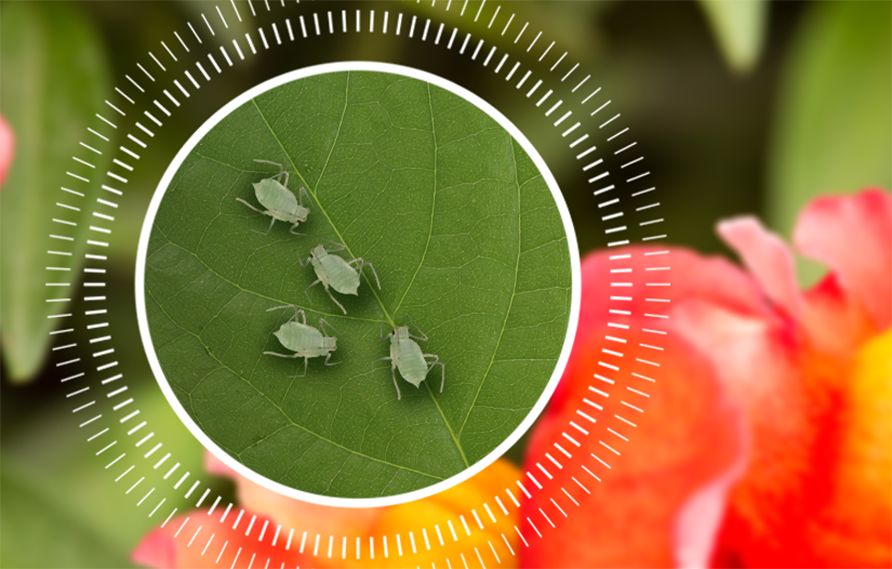
- - Cotton/Melon aphid (Aphis spp.)
- - Green peach aphid (Myzus spp.)
- - Rose aphid (Macrosiphum spp.)
Key Pests Controlled
-
Aphids such as:
Performance and Efficacy
VentigraInsecticide controls piercing-sucking insects including aphids, whiteflies and mealybug and has suppression for certain species of scale. These key pests cause feeding injury and direct damage to plants while spreading insect-vectored plant diseases. Ventigra Insecticide stops insect feeding quickly, thereby reducing the spread of insect-vectored plant viruses. In addition, Ventigra Insecticide provides long lasting residual control of piercing-sucking insects.
Mode of Action
VentigraVentigra Insecticide is a novel member of a group of insecticides known as “chordotonal organ TRPV channel modulators” and has been classified as the only member of the new mode of action subgroup 9D. Ventigra Insecticide selectively binds to the TRPV ion channels, causing them to open and generate continuous chordotonal nerve signals independent of joint movement. This false-stretch signaling makes it impossible for the brain to detect sound, gravity or the position or movement of body parts. Once deaf, disoriented and uncoordinated, insects treated with Ventigra Insecticide rapidly cease feeding and die from dehydration and starvation.
Chordotonal organs, present throughout the insect’s body, are biological stretch receptors that span joints and provide insects with their senses of hearing, gravity perception, body movement and position. Ventigra Insecticide disrupts the signaling from these receptors causing disoriented, uncoordinated insects that rapidly stop feeding.
 BASF
BASF